How BioBottles® work
A bottle that does its job like any other bottle — and then, after you are done with it, returns to nature instead of becoming microplastic.
Ordinary plastic bottles never really go away
When an ordinary plastic bottle is thrown away, it does not disappear. It just gets smaller. Over many years it crumbles into tinier and tinier pieces called microplastics — fragments so small you cannot see them, but they do not stop existing.
Those tiny pieces wash into rivers and oceans, settle into soil, and work their way into the water we drink and the food we eat. The bottle is gone from sight in months. The microplastic it becomes can stay in the environment for centuries.
The timescale is not a guess. Researchers reviewing this in 2024 found ordinary plastic becomes brittle and starts falling apart in as little as four to eight weeks outdoors — while EPA scientists put the time for a plastic bag to actually break down at 400 to 1,000 years. Falling apart quickly and breaking down are two completely different things.

Plastic belongs in the bottle — not in you
Scientists now find microplastics almost everywhere they look: in oceans and rain, in drinking water, in seafood and salt, and even inside the human body. Research into what that means for our health is still in its early days — but one thing is simple common sense: nobody wants plastic building up in the world around them or in the people they love.
That is the whole reason BioBottles® exist. The most responsible bottle is one that gets recycled. And for the bottles that slip through, the next best thing is a bottle that leaves nothing harmful behind.
The same bottle, with a better ending
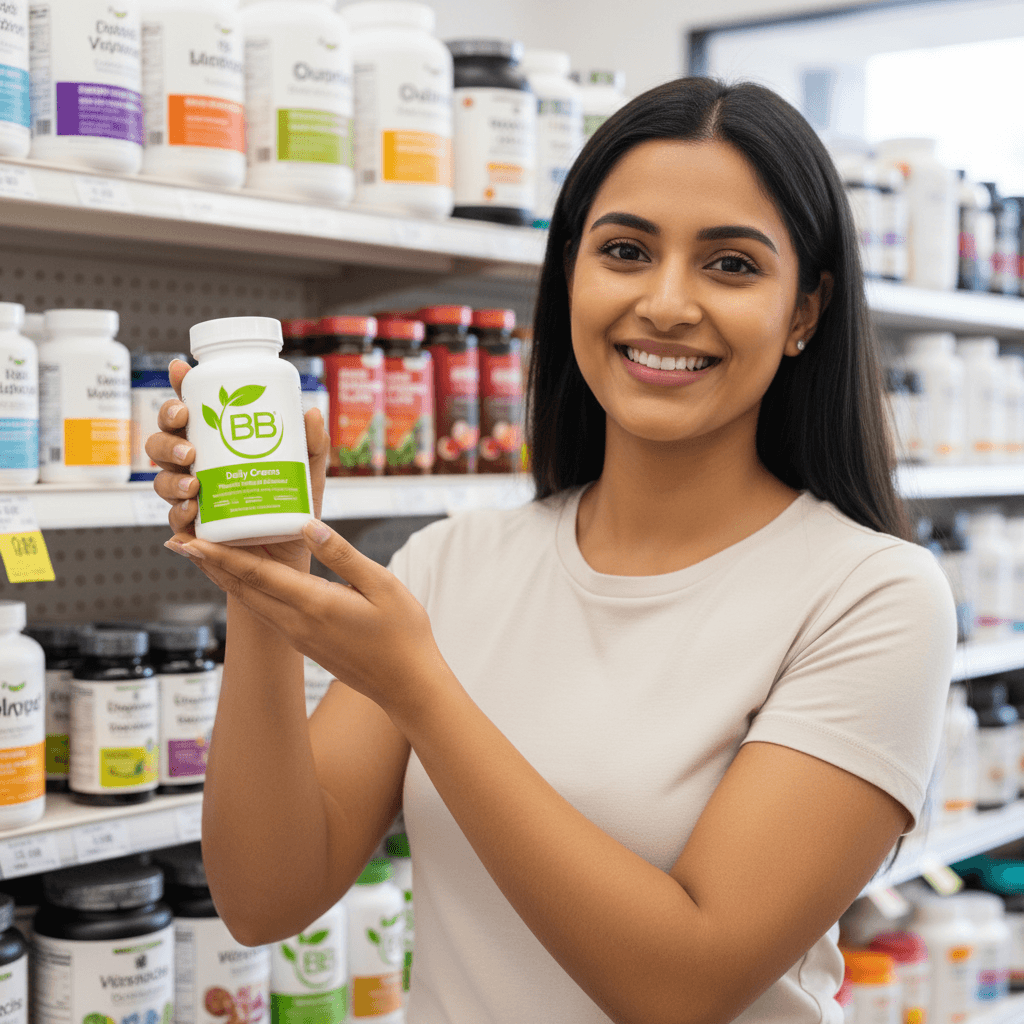
A BioBottle® looks, feels, and works exactly like the bottles you already know. It is made in the USA, it is FDA food grade compliant, and it protects what is inside for more than 5 years on the shelf — nothing about using it changes.
The difference is built into the bottle itself. After a BioBottle® is thrown away and exposed to the open air, it begins to break down — turning into water, CO₂, and organic matter instead of fragmenting into microplastics.
Scientists at the EPA’s research laboratory in Cincinnati put that to the test the fairest way possible: they weathered ordinary plastic film beside identical film containing this kind of catalyst. The untreated film showed “little or no changes”. The treated film broke down to a powder within two weeks — and its melting point dropped, which is the fingerprint of the plastic being taken apart at the molecular level rather than simply shattering.
Four stages, no compromises

Made like any bottle
BioBottles® are made in the USA by GreenFrog Packaging® on standard equipment, with the difference built right into the material. No special handling, no added complexity.

Performs on the shelf
Shelf stable for more than 5 years under normal storage conditions. Your product stays protected exactly as it would in a traditional bottle.

Biodegrades after disposal
Once discarded and exposed to the open air, the bottle begins to biodegrade naturally — something ordinary plastic cannot finish for centuries.
Breaks down, not apart
What remains is water, CO₂, and organic matter instead of microplastic fragments. And because BioBottles® are recyclable where programs accept plastic bottles, recycling is always the best first choice.
Safe for people, tested for the planet
BioBottles® are FDA food grade compliant, and this technology has been examined by government researchers, university laboratories and accredited test houses for two decades. A few of the results:
An American polymer laboratory reviewed the central question independently — whether this simply makes plastic fragment faster — and concluded the opposite: the catalyst “does not therefore lead through oxidation to the fragmentation of the material – it simply controls the rate of oxidation.”
Want the brands you buy to use these?
Ask a brand to switch
Does your favorite brand still use a 500-year bottle?
Bottles that break down safely instead of fragmenting into microplastics run on the equipment supplement companies already own — no reformulation, no new machinery. Ask the brand you buy to make the switch.
Ask your favorite brand →