The latest from BioBottles®
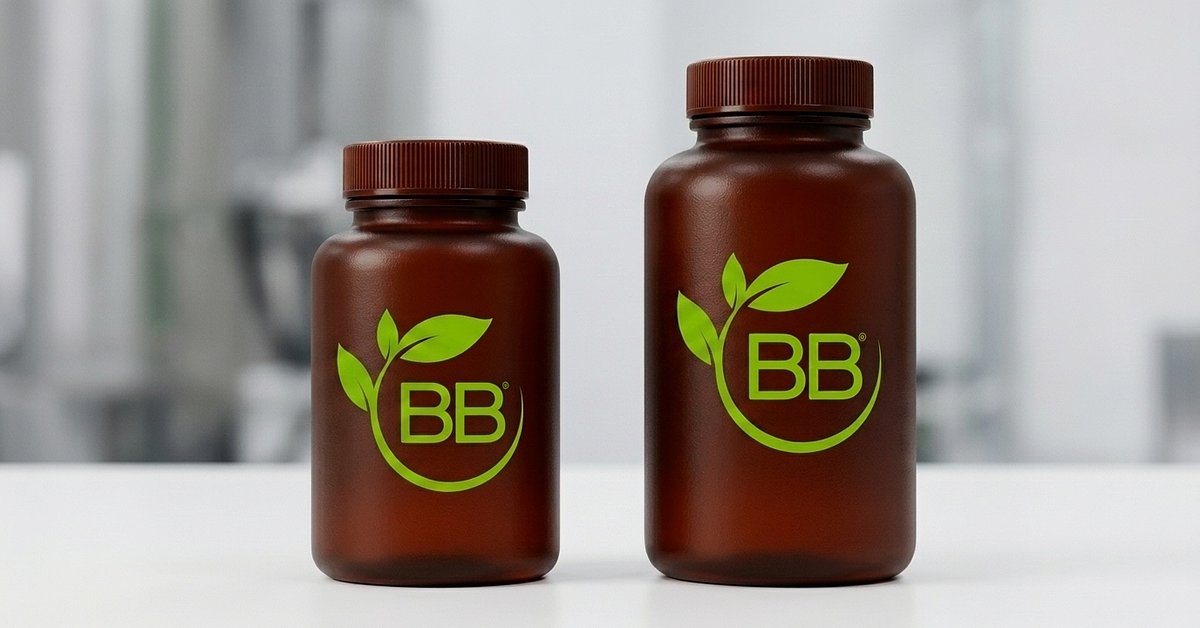
Who makes BioBottles®, and where do you buy them?
BioBottles® are made by GreenFrog Packaging® in the USA. Learn who owns the brand, where to buy, and whether the bottles are recyclable.
Read article →
Switch to BioBottles: Kathe B. asks Jarrow Formulas to switch to BioBottles
Kathe B. asks Jarrow Formulas to switch to BioBottles® biodegradable bottles — part of the Switch to BioBottles campaign.
Read article →
Switch to BioBottles: MATTHEW S. asks Nature Made to switch to BioBottles
MATTHEW S. asks Nature Made to switch to BioBottles® biodegradable bottles — part of the Switch to BioBottles campaign.
Read article →
Switch to BioBottles: Andrea L. asks One A Day to switch to BioBottles
Andrea L. asks One A Day to switch to BioBottles® biodegradable bottles — part of the Switch to BioBottles campaign.
Read article →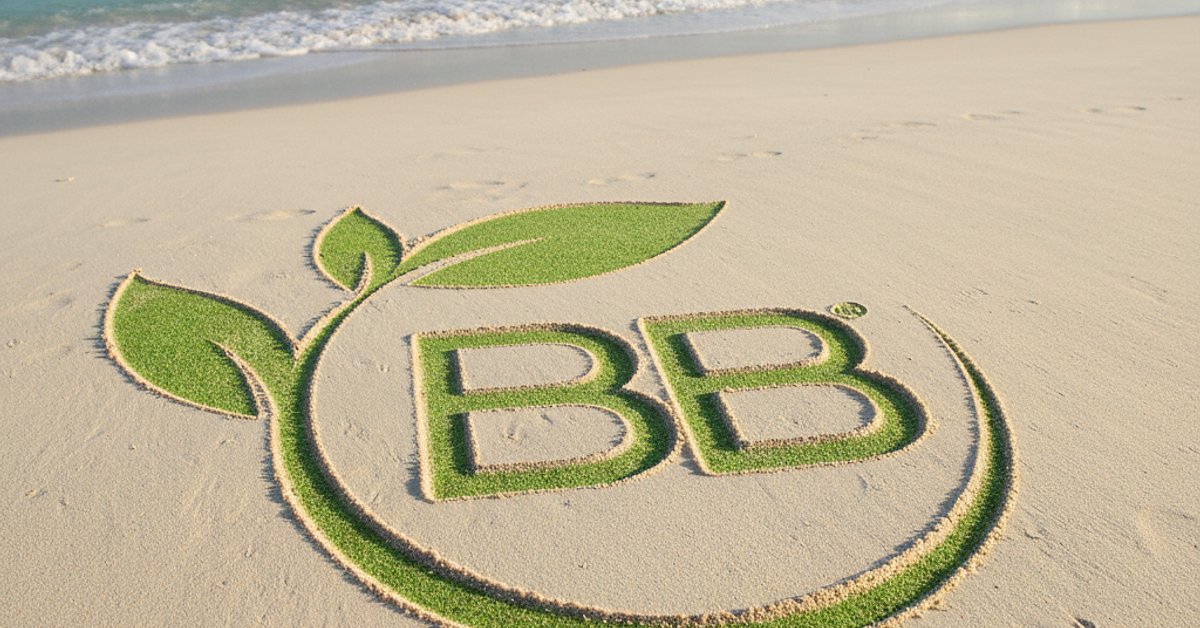
How can BioBottles help clean our beaches?
A plastic bottle can outlast 450 years in the ocean. A BioBottle® is engineered to begin a different journey the moment it escapes.
Read article →
Switch to BioBottles: ed P. asks Thorne to switch to BioBottles
ed P. asks Thorne to switch to BioBottles® biodegradable bottles — part of the Switch to BioBottles campaign.
Read article →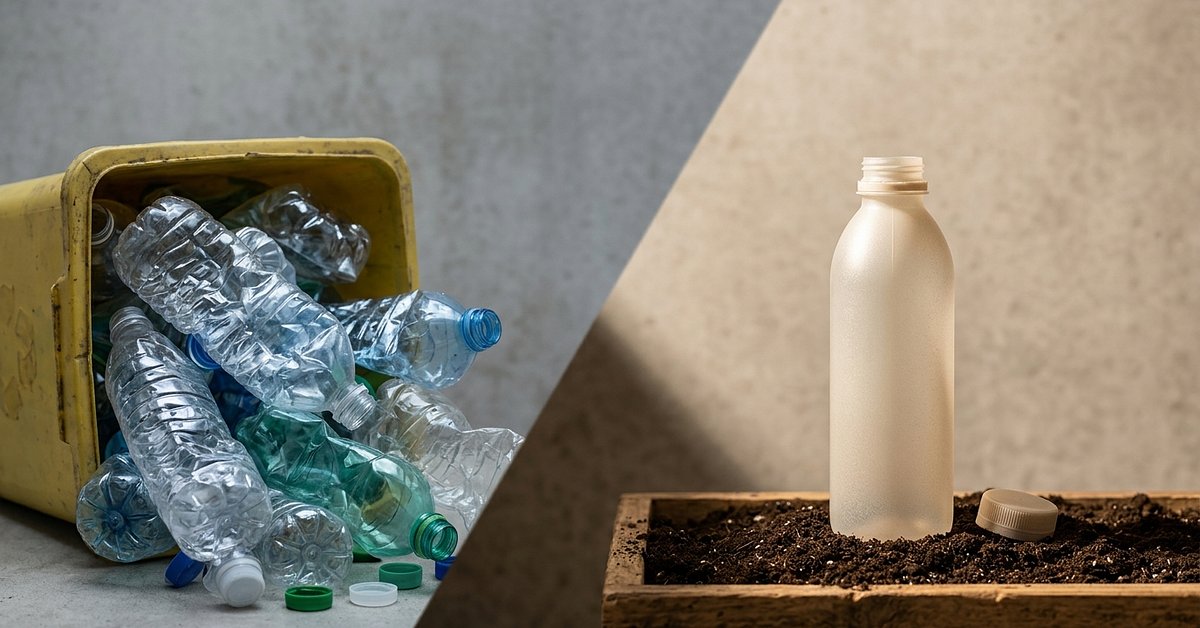
Plastic Additives, Recycling & PCS
The "biodegradable ruins recycling" argument only holds if recycling works. It doesn't. Here's what the data actually shows.
Read article →
Switch to BioBottles: Diana L. asks Puritan's Pride to switch to BioBottles
Diana L. asks Puritan's Pride to switch to BioBottles® biodegradable bottles — part of the Switch to BioBottles campaign.
Read article →
Switch to BioBottles: Matthew H. asks Ritual to switch to BioBottles
Matthew H. asks Ritual to switch to BioBottles® biodegradable bottles — part of the Switch to BioBottles campaign.
Read article →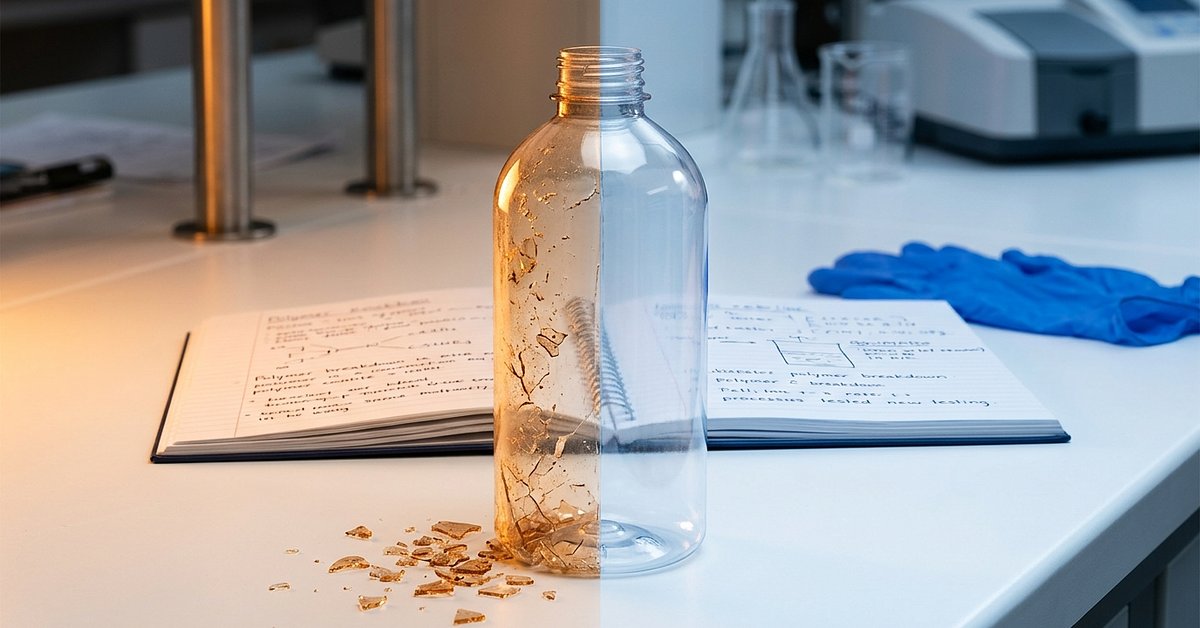
Built to Fall Apart or Built to Be Remade? The Labs Tested Both — on the Same Plastic
The claim that plastic can break down or be recycled but never both is a myth. Two labs tested the same HDPE bottle both ways. Both passed.
Read article →
Switch to BioBottles: Pat H. asks Centrum to switch to BioBottles
Pat H. asks Centrum to switch to BioBottles® biodegradable bottles — part of the Switch to BioBottles campaign.
Read article →
Switch to BioBottles: James B. asks Pure Encapsulations to switch to BioBottles
James B. asks Pure Encapsulations to switch to BioBottles® biodegradable bottles — part of the Switch to BioBottles campaign.
Read article →
Switch to BioBottles: Grace U. asks Nature Made to switch to BioBottles
Grace U. asks Nature Made to switch to BioBottles® biodegradable bottles — part of the Switch to BioBottles campaign.
Read article →
Switch to BioBottles: Kathe B. asks Puregen to switch to BioBottles
Kathe B. asks Puregen to switch to BioBottles® biodegradable bottles — part of the Switch to BioBottles campaign.
Read article →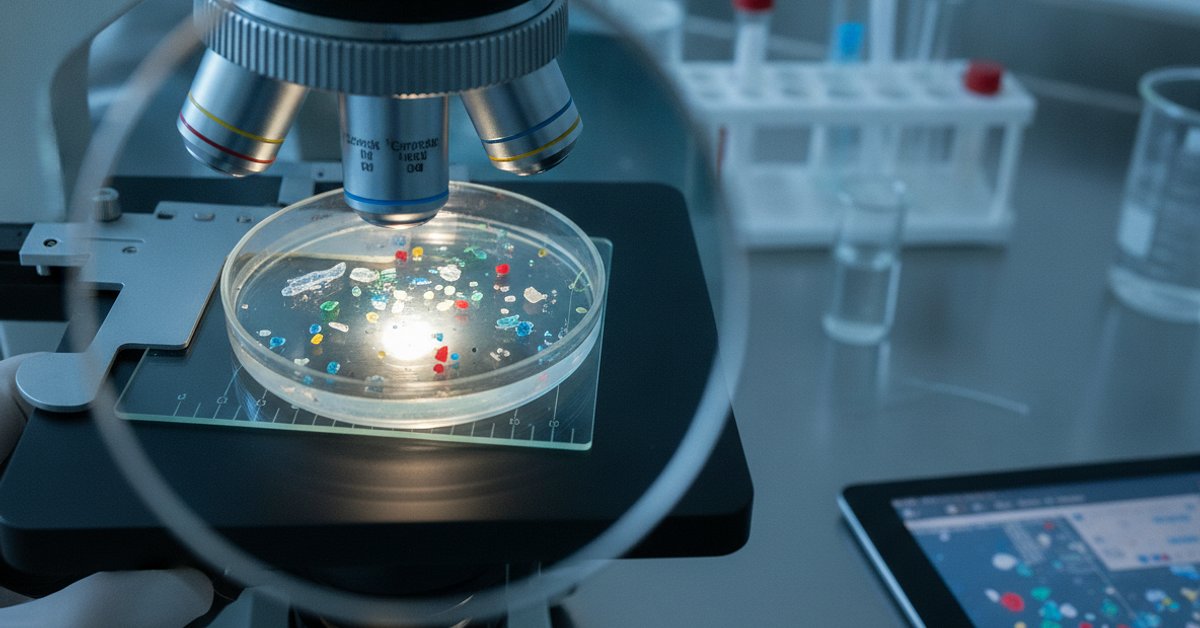
The Truth About Biodegradable Plastics & Recycling
How a citation chain, not a lab result, keeps a clean plastic additive out of recycling streams, and what the testing actually shows.
Read article →
Switch to BioBottles: David H. asks Kirkland Signature to switch to BioBottles
David H. asks Kirkland Signature to switch to BioBottles® biodegradable bottles — part of the Switch to BioBottles campaign.
Read article →
Switch to BioBottles: james S. asks Naked Nutrition to switch to BioBottles
james S. asks Naked Nutrition to switch to BioBottles® biodegradable bottles — part of the Switch to BioBottles campaign.
Read article →
Are recyclability rules being applied to degradable plastics without testing them first?
The FTC's §260.12 recyclability rule was built for conventional resin and never tested against degradable plastics, yet it governs both.
Read article →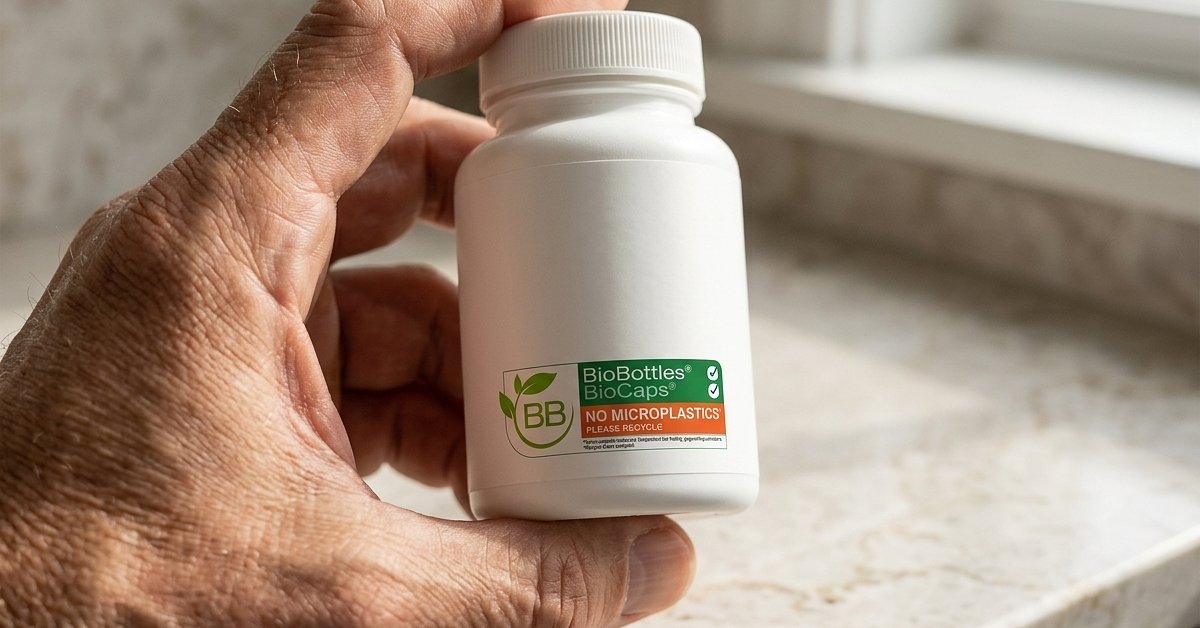
An Amazing Technology That's Transforming Plastic Bottles
The vitamin bottle you buy for your health outlasts you by centuries. Here's the technology quietly fixing that.
Read article →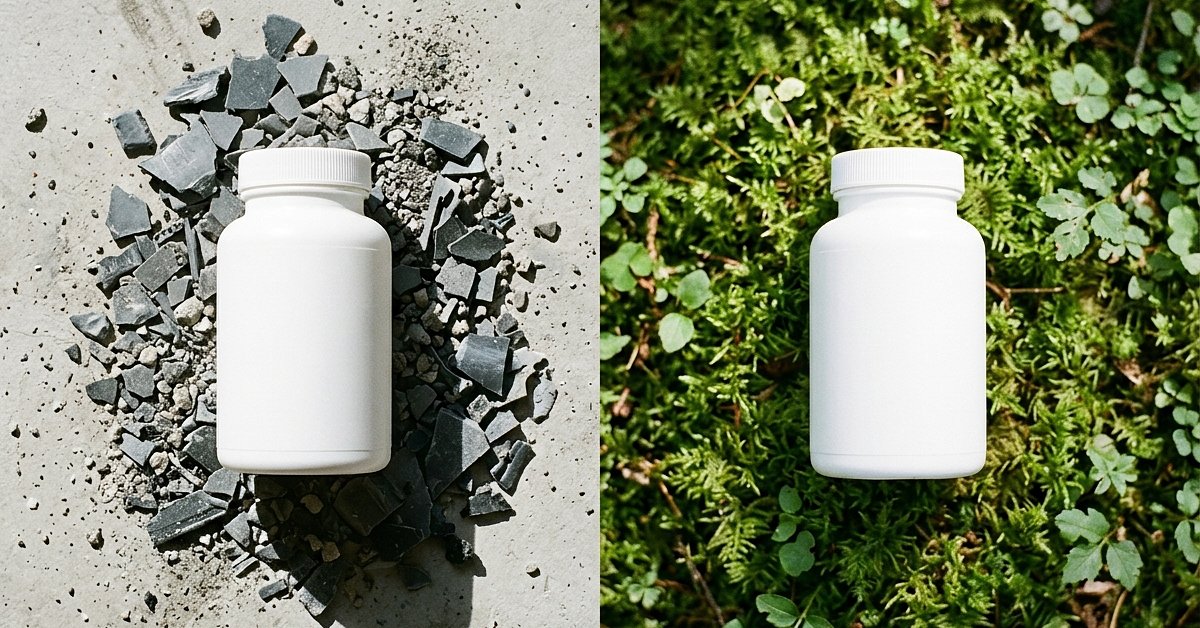
Switch To BioBottles Campaign
The bottle you tossed as "recyclable" will outlive your great-great-grandkids. Here's the fix, and how to ask your favorite brand to switch.
Read article →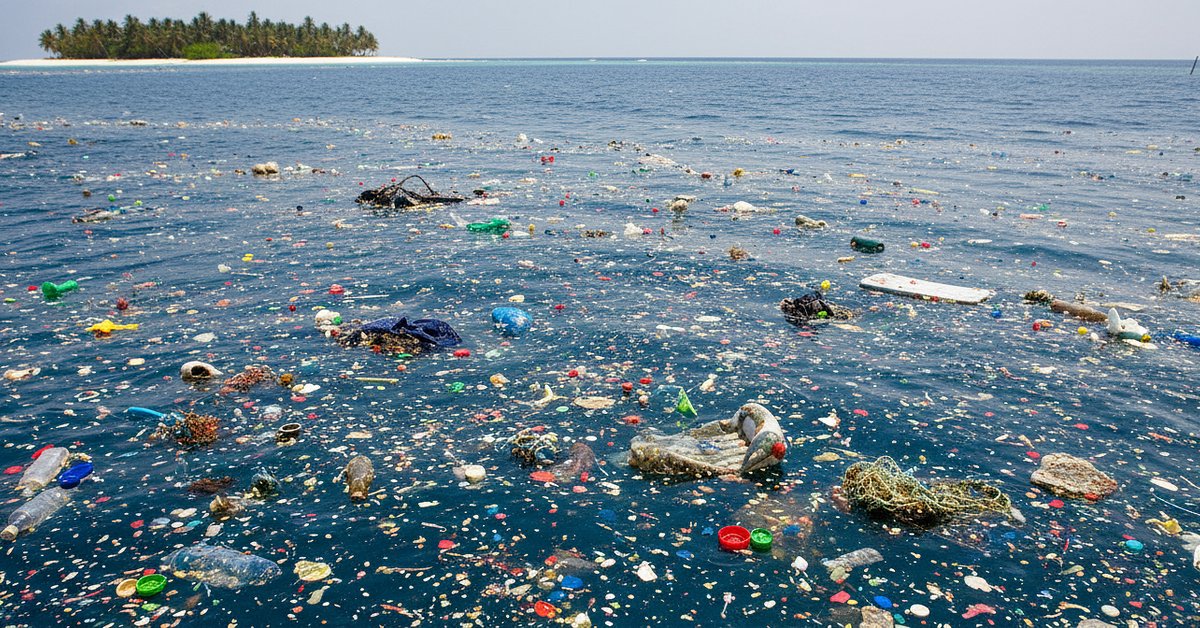
How Much Plastic Is In The Ocean & Can BioBottles Help?
There are more microplastic particles in the ocean than visible stars. Here's why your "eco" bottles never broke down, and what actually does.
Read article →
What Kinds of Plastic Packaging Are Available?
The number on your plastic packaging sorts resins for industry, not your recycling bin. Here is what those seven plastic types really mean.
Read article →
What Is Biodegradable Plastic?
That label promising plastic will break down? It is a self-made claim no government verifies. Here is what the word actually tells you.
Read article →
Biodegradable Bottles: Is It Even Possible?
A bottle stamped "biodegradable" can legally be pure petroleum plastic. Here's why the word fails you, and what actually works instead.
Read article →
Single-Use Plastics: Everything You Need to Know
The truth about single-use plastics, the recycling loophole that fooled us for decades, and what actually breaks the cycle.
Read article →
The Challenges of Industrial Composting (and Why It Does Not Always Work)
Most certified "compostable" packaging is rejected by the very facilities built to process it. Here's why the label outpaced the bin.
Read article →
How Long Does Biodegradable Plastic Take to Decompose?
A plastic bag labeled to break down can take 500+ years in a real bin because the lab conditions it was tested against almost never exist.
Read article →
Did You Know Whales Are Not Biodegradable?
The U.S. government's own rule says a whale is not biodegradable. Here is who bent the definition, why they did it, and what it hides.
Read article →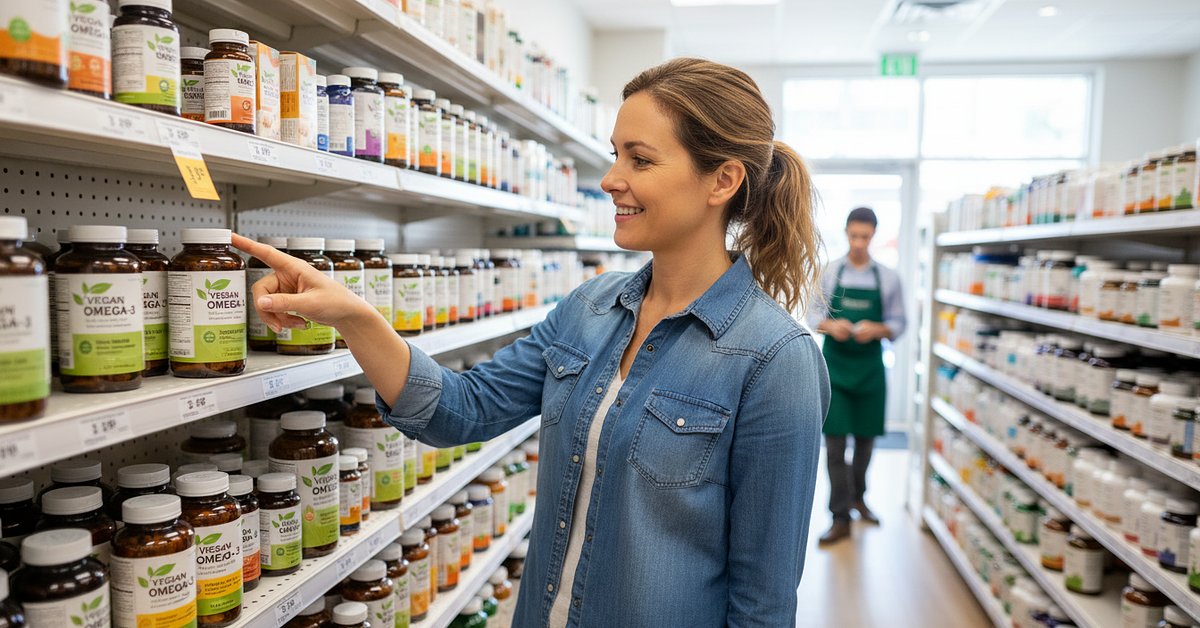
Why BioBottles Are the Safety Net Recycling Never Had
Recycling is the right call, but it was never designed to catch every bottle. BioBottles® with PlasticIQ® technology are the safety net, breaking down safely instead of fragmenting into microplastics if packaging escapes containment.
Read article →